
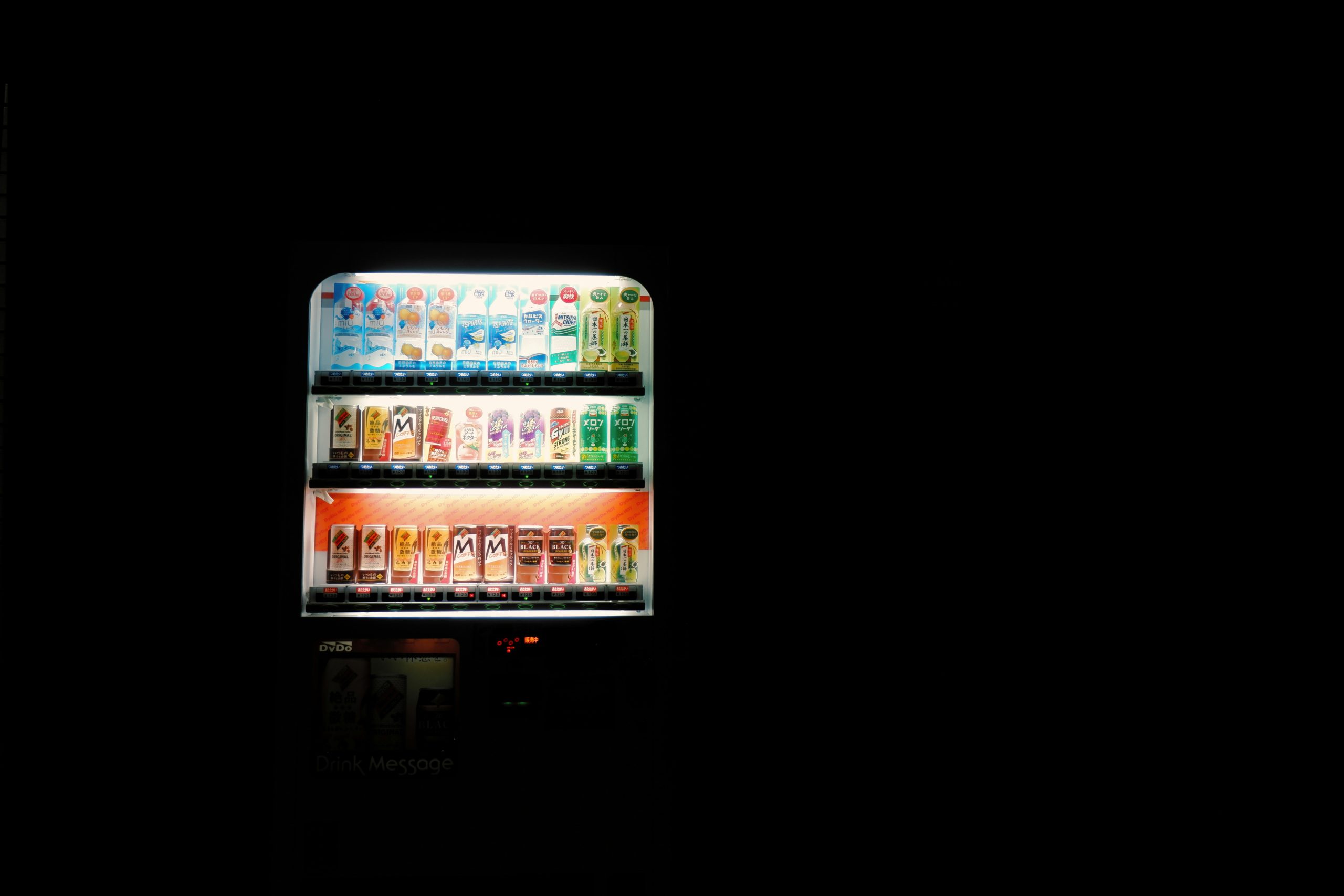
Vending machines have become an integral part of Singapore’s urban landscape, offering convenient access to snacks, beverages, and essential items around the clock. Whether you’re a business owner looking to generate additional revenue or an entrepreneur considering entering the vending industry, understanding the rental market is crucial for success.
Singapore’s dense population, high foot traffic areas, and tech-savvy consumers create ideal conditions for vending machine operations. This comprehensive guide covers everything you need to know about vending machine rental in Singapore, from market opportunities to regulatory requirements and profit maximization strategies.
Understanding Singapore’s Vending Machine Market
Market Size and Growth Potential
Singapore’s vending machine market has experienced steady growth over the past decade. The island nation’s compact size, high population density, and busy lifestyle make vending machines an attractive convenience option for consumers.
The market encompasses various sectors including office buildings, shopping malls, schools, hospitals, and transportation hubs. Each sector presents unique opportunities and challenges for vending machine operators.
Technology adoption has accelerated market growth. Modern vending machine rental Singapore accepts contactless payments, mobile payments, and even cryptocurrency, appealing to Singapore’s digital-first consumers. Smart vending machines with touch screens and interactive features have gained popularity in premium locations.
Government initiatives promoting cashless transactions have further boosted the industry. Singapore’s push toward a cashless society aligns perfectly with modern vending machine capabilities.
Key Market Segments
Office buildings represent the largest market segment for vending machine rentals. Singapore’s central business district and satellite business parks house thousands of workers who rely on convenient food and beverage options during work hours.
Educational institutions provide stable, high-volume locations. Universities, polytechnics, and secondary schools generate consistent demand throughout the academic year. Student preferences for affordable snacks and beverages make these locations particularly attractive.
Healthcare facilities offer 24/7 operation opportunities. Hospitals and clinics serve patients, visitors, and medical staff around the clock, creating demand for food, beverages, and convenience items at all hours.
Transportation hubs experience high foot traffic from commuters and travelers. MRT stations, bus interchanges, and Changi Airport provide exposure to diverse customer segments throughout the day.
Types of Vending Machines Available for Rental
Traditional Snack and Beverage Machines
Standard snack and beverage machines remain the most common rental options. These machines typically dispense packaged snacks, soft drinks, coffee, and other shelf-stable products.
Combination machines offer both snacks and beverages in a single unit, maximizing product variety while minimizing space requirements. These machines work well in locations with limited floor space but high demand.
Cold beverage machines maintain refrigerated temperatures for soft drinks, juices, and bottled water. These machines require reliable electrical connections and proper ventilation for optimal performance.
Hot beverage machines provide coffee, tea, and hot chocolate options. Premium models offer multiple drink varieties and customization options, appealing to discerning consumers willing to pay higher prices.
Specialty and Smart Vending Machines
Fresh food vending machines have gained popularity in Singapore’s health-conscious market. These machines dispense salads, sandwiches, and other perishable items while maintaining food safety standards.
Technology vending machines offer phone chargers, earphones, and other electronic accessories. These machines perform well in airports, shopping malls, and business districts where people frequently need tech accessories.
Personal care vending machines provide toiletries, feminine hygiene products, and other essentials. These machines work particularly well in restrooms, gyms, and healthcare facilities.
Interactive smart vending machines feature touch screens, product information displays, and enhanced user interfaces. These premium machines command higher rental fees but also generate increased revenue through improved customer experience.
Rental Models and Pricing Structures
Full-Service Rental Agreements
Full-service rental agreements provide comprehensive support including machine installation, maintenance, restocking, and customer service. Rental companies handle all operational aspects while sharing revenue with location owners.
This model suits businesses wanting passive income without operational involvement. Property owners receive monthly rental payments or revenue sharing without managing inventory or maintenance.
Rental fees typically range from SGD 200 to SGD 800 per month depending on machine type, location quality, and included services. Premium locations and smart machines command higher rental rates.
Revenue sharing arrangements split sales proceeds between rental companies and location owners. Typical splits range from 60/40 to 80/20 in favor of the rental company, depending on location desirability and foot traffic.
Lease-to-Own Options
Lease-to-own agreements allow entrepreneurs to eventually own vending machines through monthly payments. These arrangements provide pathways to business ownership without large upfront investments.
Monthly payments typically range from SGD 300 to SGD 1,200 depending on machine type and lease terms. Payment periods usually extend from 24 to 60 months, with ownership transferring upon completion.
This model appeals to entrepreneurs wanting to build vending machine businesses gradually. Starting with one or two machines allows operators to learn the business while minimizing financial risk.
Lease agreements often include maintenance support during the lease period. This ensures machines remain operational while lessees develop technical knowledge and supplier relationships.
Revenue Sharing Partnerships
Revenue sharing partnerships involve collaboration between machine owners and location providers. Both parties invest in the operation and share profits based on agreed percentages.
Location owners provide space and utilities while machine owners handle equipment, inventory, and maintenance. This model works well when both parties bring valuable resources to the partnership.
Profit sharing typically ranges from 70/30 to 50/50 depending on each party’s contribution. High-traffic locations with guaranteed customer bases often negotiate higher percentages.
Partnership agreements should clearly define responsibilities, profit sharing calculations, and dispute resolution procedures. Written contracts protect both parties and ensure smooth operations.
Choosing the Right Locations
High-Traffic Areas
Location selection significantly impacts vending machine profitability. High foot traffic areas generate more sales but often require higher rental payments or revenue sharing percentages.
Shopping malls provide excellent exposure but charge premium rates for vending machine space. Competition from food courts and retail stores can limit sales potential in some mall locations.
Office buildings offer steady weekday traffic from employees and visitors. Premium office locations with limited food options nearby often generate strong vending machine sales.
Educational institutions provide high-volume sales during school hours. However, seasonal variations during holidays and exam periods can affect revenue consistency.
Demographic Considerations
Understanding target demographics helps optimize product selection and machine placement. Different age groups and income levels prefer different products and price points.
Young professionals in business districts typically prefer premium coffee, healthy snacks, and convenience items. These customers often pay higher prices for quality products.
Students generally seek affordable options and popular brand names. Price sensitivity is higher among student populations, but volume sales can compensate for lower margins.
Healthcare facility customers include patients, visitors, and medical staff with varying needs. Comfort foods, energy drinks, and healthy options all find markets in healthcare settings.
Accessibility and Visibility
Machine placement within chosen locations affects sales performance. High-visibility areas with easy access generate more sales than hidden or inconvenient locations.
Ground floor locations typically outperform upper floors due to natural traffic patterns. However, strategic placement near elevators or popular destinations can boost upper-floor performance.
Accessibility for restocking and maintenance is crucial for operational efficiency. Locations requiring special access permissions or difficult maneuvering can increase operational costs.
Lighting and security around vending machines affect customer comfort and machine safety. Well-lit, secure locations reduce theft risk and encourage customer usage.
Regulatory Requirements and Compliance
Business Registration and Licensing
Operating vending machines in Singapore requires proper business registration and licensing. The Accounting and Corporate Regulatory Authority (ACRA) oversees business registration procedures.
Sole proprietorships provide the simplest business structure for small vending operations. Registration fees start at SGD 15 for online applications, making this option accessible for new entrepreneurs.
Companies offer more complex structures suitable for larger operations or multiple partners. Company registration involves higher fees and ongoing compliance requirements but provides liability protection.
Foreign entrepreneurs may face additional requirements for business registration and work permits. Professional advice helps navigate immigration and business registration procedures.
Health and Safety Regulations
Food safety regulations apply to vending machines dispensing food and beverages. The Singapore Food Agency (SFA) enforces food safety standards and conducts regular inspections.
Food handling permits may be required for operators involved in food preparation or handling. Training programs help operators understand food safety requirements and maintain compliance.
Machine hygiene standards require regular cleaning and maintenance. Operators must maintain cleaning logs and follow prescribed sanitization procedures.
Temperature monitoring is crucial for machines dispensing perishable items. Automated monitoring systems help maintain food safety standards and provide compliance documentation.
Electrical and Safety Standards
Electrical safety standards govern vending machine installations and operations. All machines must meet Building and Construction Authority (BCA) electrical safety requirements.
Professional installation by licensed electricians ensures compliance with electrical codes. Proper grounding, circuit protection, and electrical connections prevent safety hazards.
Regular safety inspections help identify potential hazards and maintain compliance. Professional maintenance services often include safety inspections as part of their offerings.
Fire safety regulations may apply to vending machine locations, particularly in public buildings. Understanding fire code requirements helps avoid compliance issues.
Financial Considerations and Profitability
Initial Investment Requirements
Starting a vending machine rental business requires careful financial planning. Initial investments include security deposits, first month’s rent, and working capital for inventory.
Security deposits typically range from one to three months’ rent, depending on rental agreements and machine values. These deposits are refundable upon contract completion.
Inventory investments vary based on machine capacity and product selection. Initial inventory typically costs SGD 300 to SGD 800 per machine, depending on product mix and wholesale pricing.
Working capital requirements include ongoing rent, inventory replacement, and operational expenses. Most operators need at least three months’ operating expenses as working capital.
Revenue Potential and Profit Margins
Revenue potential varies significantly based on location, machine type, and product selection. High-traffic locations can generate SGD 1,000 to SGD 3,000 monthly revenue per machine.
Profit margins depend on product costs, rental fees, and operational expenses. Typical gross margins range from 40% to 60%, with net margins after all expenses averaging 15% to 25%.
Product selection significantly impacts profitability. Premium products command higher margins but may have lower sales volumes. Balancing product mix optimizes overall profitability.
Seasonal variations affect revenue consistency. Holiday periods, exam schedules, and weather patterns all influence vending machine sales throughout the year.
Cost Management Strategies
Effective cost management maximizes profitability and business sustainability. Regular expense reviews help identify cost reduction opportunities without compromising service quality.
Bulk purchasing reduces product costs and improves margins. Negotiating better wholesale prices or joining purchasing cooperatives provides cost advantages.
Efficient route planning minimizes travel time and fuel costs for restocking and maintenance. Grouping nearby machines into efficient service routes reduces operational expenses.
Preventive maintenance reduces repair costs and extends machine life. Regular cleaning, component replacement, and system updates prevent costly breakdowns.
Operational Management and Best Practices
Inventory Management
Effective inventory management balances product availability with minimal waste. Tracking sales patterns helps optimize product selection and stocking levels
Related Blog

