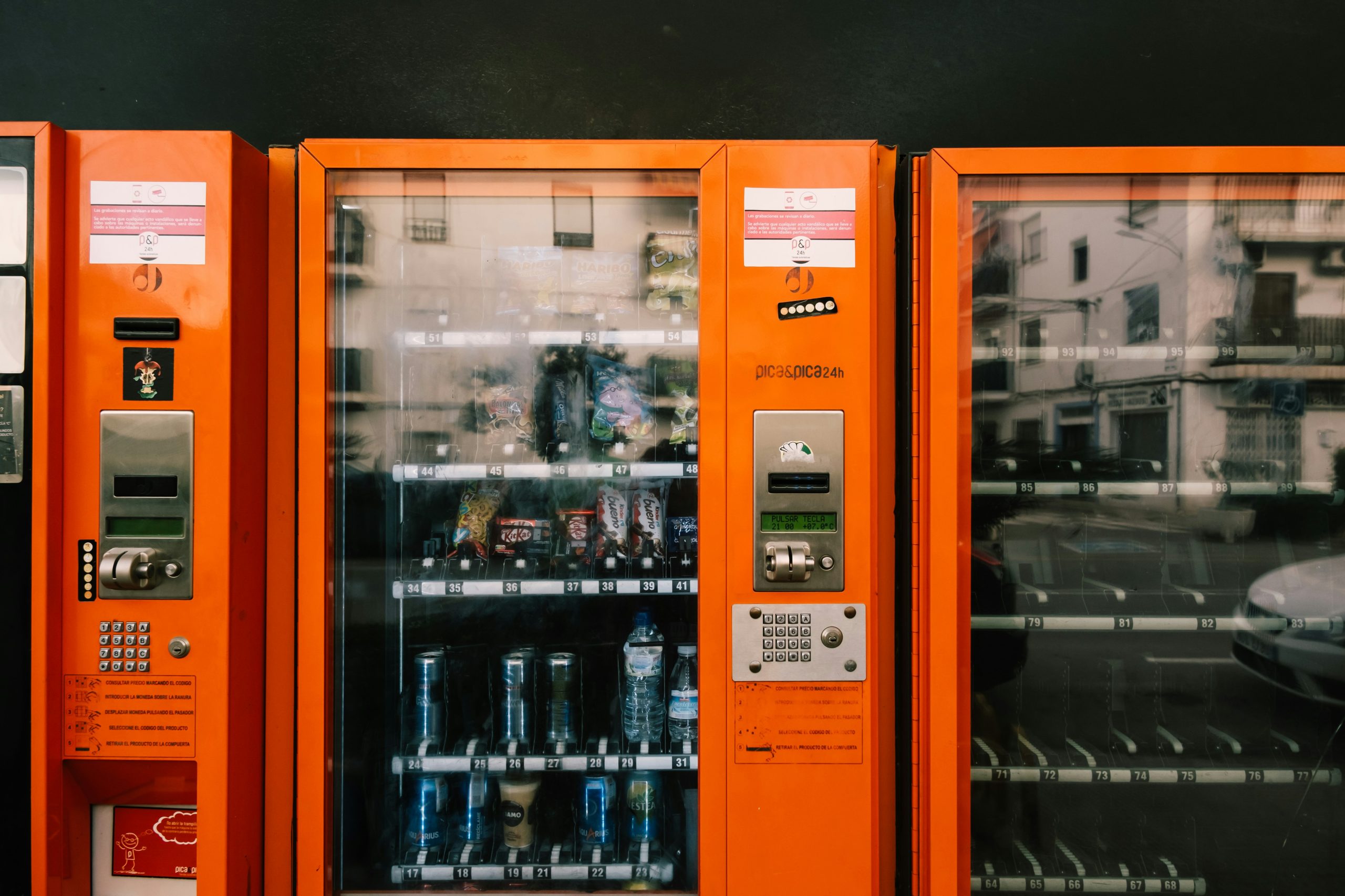
Starting a vending machine business can be an excellent way to generate passive income, but success often depends on making smart purchasing decisions from the beginning. Buying vending machines wholesale offers significant advantages over retail purchases, from substantial cost savings to better profit margins. This comprehensive guide will walk you through everything you need to know about wholesale vending machine purchases, helping you make informed decisions that set your business up for long-term success.
The vending machine industry continues to grow globally, with automated retail solutions becoming increasingly sophisticated and profitable. Whether you’re planning to start with a single machine or launch a multi-location operation, understanding wholesale purchasing can dramatically impact your bottom line and business scalability.
Understanding Wholesale Vending Machine Purchasing
Wholesale purchasing involves buying vending machines directly from manufacturers or authorized distributors at reduced prices. These transactions typically require minimum order quantities and offer significant discounts compared to retail prices. Wholesale buyers often receive additional benefits including extended warranties, training programs, and ongoing support services.
The wholesale market caters to serious entrepreneurs who plan to operate multiple machines or expand their operations over time. Manufacturers prefer working with wholesale buyers because they represent larger, more stable revenue streams and often become long-term business partners.
Key Differences Between Wholesale and Retail Purchases
Retail vending machine purchases involve buying individual units at standard prices, often with limited support services. Wholesale purchases require larger upfront investments but provide better unit economics and comprehensive business support. The break-even point for wholesale purchasing typically occurs when buying three or more machines, though this varies by manufacturer and model.
Wholesale buyers gain access to exclusive models, customization options, and priority customer service. Many manufacturers reserve their most advanced features and newest technologies for wholesale customers, giving these operators competitive advantages in the marketplace.
Financial Benefits of Wholesale Purchasing
Substantial Cost Savings
Wholesale vending machine prices typically range from 20% to 40% below retail prices, depending on order quantities and manufacturer relationships. These savings compound quickly across multiple machines, potentially saving thousands of dollars on startup costs. The money saved can be reinvested into premium locations, additional inventory, or business expansion.
Volume discounts increase with larger orders, creating incentives for entrepreneurs to scale their operations efficiently. Some manufacturers offer tiered pricing structures that reward loyalty and encourage continued growth within their product ecosystems.
Improved Profit Margins
Lower acquisition costs directly translate to higher profit margins on each sale. This improved profitability allows wholesale buyers to compete more effectively on pricing while maintaining healthy returns. The enhanced margins also provide cushion for unexpected expenses or market fluctuations.
Better profit margins enable more aggressive location acquisition strategies. Wholesale buyers can afford to pay higher commissions to prime locations because their improved unit economics support these investments.
Faster Return on Investment
Reduced upfront costs accelerate payback periods on vending machine investments. Wholesale buyers often recoup their initial investments 20% to 30% faster than retail purchasers, allowing quicker reinvestment into business growth. This faster ROI cycle enables more rapid scaling of operations.
The improved cash flow from faster paybacks reduces reliance on external financing for expansion. Many successful wholesale buyers use profits from their first machines to fund subsequent purchases, creating self-sustaining growth cycles.
Types of Vending Machines Available Wholesale
Traditional Snack and Beverage Machines
Standard snack and beverage vending machines remain the most popular wholesale purchases. These machines offer proven demand and straightforward operations, making them ideal for new entrepreneurs. Wholesale buyers can access advanced models with energy-efficient refrigeration, larger product selections, and enhanced security features.
Modern snack and beverage machines incorporate smart technology including inventory tracking, remote monitoring, and cashless payment systems. These features, often standard in wholesale models, significantly improve operational efficiency and customer satisfaction.
Specialized Vending Solutions
Wholesale buyers gain access to specialized vending machines including coffee makers, ice cream freezers, and fresh food dispensers. These premium machines command higher per-transaction revenues but require more sophisticated operational knowledge. Wholesale pricing makes these advanced machines more accessible to serious operators.
Hot food vending machines represent a growing segment with excellent profit potential. These machines serve prepared meals, pizza, and other hot items, generating significantly higher average transaction values than traditional snack machines.
Technology-Enhanced Machines
Smart vending machines with touchscreen interfaces, mobile app integration, and AI-powered product recommendations are increasingly available through wholesale channels. These advanced machines provide superior customer experiences and generate valuable data for business optimization.
Interactive vending machines that accept mobile payments, offer loyalty programs, and provide personalized product suggestions command premium pricing and customer loyalty. Wholesale access to these technologies provides competitive advantages in prime locations.
Finding Reputable Wholesale Suppliers
Manufacturer Direct Relationships
Establishing relationships directly with vending machine manufacturers provides the best wholesale pricing and support services. Major manufacturers like Crane Merchandising, Seaga, and AMS offer comprehensive wholesale programs including financing options, training, and ongoing technical support.
Direct manufacturer relationships provide access to the latest models, exclusive features, and priority customer service. These partnerships often include territorial protection and marketing support that benefit long-term business growth.
Authorized Distributors and Dealers
Authorized distributors serve as regional representatives for major manufacturers, offering localized support and service. These partners provide valuable market knowledge, location assistance, and hands-on training that benefit new operators. Many distributors offer financing programs and flexible payment terms.
Regional distributors understand local market conditions and can recommend optimal machine configurations for specific areas. Their proximity enables faster service response times and more personalized support relationships.
Trade Shows and Industry Events
Vending industry trade shows provide excellent opportunities to meet wholesale suppliers, compare products, and negotiate pricing. Events like the NAMA Show bring together manufacturers, distributors, and operators, facilitating valuable networking and learning opportunities.
Trade shows often feature exclusive pricing and promotions unavailable through other channels. Attendees can examine machines firsthand, meet technical support teams, and establish relationships that benefit their long-term business success.
Evaluating Wholesale Suppliers
Financial Stability and Reputation
Researching supplier financial stability prevents future service disruptions and warranty issues. Established manufacturers with strong track records provide greater confidence in long-term support and parts availability. Industry associations and trade publications offer valuable insights into supplier reputations and market standing.
Customer references and testimonials provide real-world perspectives on supplier performance. Speaking with existing customers reveals important information about product quality, service responsiveness, and overall satisfaction levels.
Product Quality and Reliability
Evaluating product quality requires examining build materials, component specifications, and reliability statistics. High-quality machines minimize maintenance costs and maximize uptime, directly impacting profitability. Wholesale suppliers should provide detailed specifications and performance data for their products.
Reliability testing data and warranty terms indicate manufacturer confidence in product quality. Comprehensive warranties and service guarantees demonstrate supplier commitment to customer success and product performance.
Support Services and Training
Quality wholesale suppliers provide comprehensive training programs covering machine operation, maintenance, and troubleshooting. These educational resources significantly impact operational success and problem resolution capabilities. Ongoing support services ensure continued business growth and operational efficiency.
Technical support availability and response times affect business continuity during equipment issues. Suppliers with 24/7 support capabilities and local service networks provide superior operational security for serious business operators.
Negotiating Wholesale Deals
Understanding Pricing Structures
Wholesale pricing structures vary significantly between suppliers and order quantities. Understanding these structures enables effective negotiation and optimal purchasing decisions. Many suppliers offer tiered pricing with increasing discounts for larger orders.
Payment terms significantly impact cash flow and total cost of ownership. Suppliers may offer additional discounts for cash payments or extended payment plans for larger orders. Evaluating total cost including financing charges ensures accurate cost comparisons.
Leveraging Volume Commitments
Committing to larger orders or future purchases provides negotiating leverage for better pricing and terms. Suppliers value customers who demonstrate growth potential and long-term commitment. Multi-year purchase agreements often secure substantial discounts and priority service.
Group purchasing with other operators can achieve volume discounts otherwise unavailable to individual buyers. Forming buying cooperatives or joining existing groups provides access to better pricing and shared resources.
Additional Value-Added Services
Negotiating for additional services like location assistance, marketing support, or extended warranties adds value beyond price discounts. These services can significantly impact business success and reduce operational burdens. Suppliers often provide these services at minimal additional cost to secure larger orders.
Training programs, operational consulting, and ongoing support services provide long-term value that justifies higher initial costs. Evaluating total value rather than just price ensures optimal purchasing decisions.
Financing Options for Wholesale Purchases
Traditional Business Loans
Banks and credit unions offer business loans specifically designed for vending machine purchases. These loans typically require business plans, credit checks, and collateral but provide competitive interest rates. Established lending relationships can accelerate approval processes and improve terms.
SBA loans provide favorable terms for qualified small business owners entering the vending industry. These government-backed loans offer longer repayment periods and lower down payment requirements than conventional business loans.
Equipment Financing Programs
Many wholesale suppliers offer equipment financing programs with competitive rates and flexible terms. These programs streamline the purchasing process and often provide faster approval than traditional loans. Supplier financing may include deferred payment options and seasonal payment schedules.
Equipment financing typically uses the vending machines as collateral, reducing risk for lenders and improving approval rates. These programs often require minimal documentation and provide quick funding for qualified buyers.
Lease-to-Own Options
Leasing programs allow operators to start with minimal upfront investment while building equity in their equipment. These options provide operational flexibility and may include maintenance and support services. Lease payments are typically tax-deductible as business expenses.
Lease-to-own programs often include upgrade options that allow operators to access newer technology as their businesses grow. This flexibility supports business evolution and competitive positioning in dynamic markets.
Quality Assurance and Warranties
Manufacturing Standards and Certifications
Reputable wholesale suppliers maintain rigorous manufacturing standards and industry certifications. These quality assurance measures ensure product reliability and regulatory compliance. Certifications from organizations like UL and NSF indicate adherence to safety and performance standards.
Quality control processes during manufacturing significantly impact long-term product performance. Suppliers with documented quality systems and testing.
Related Blog