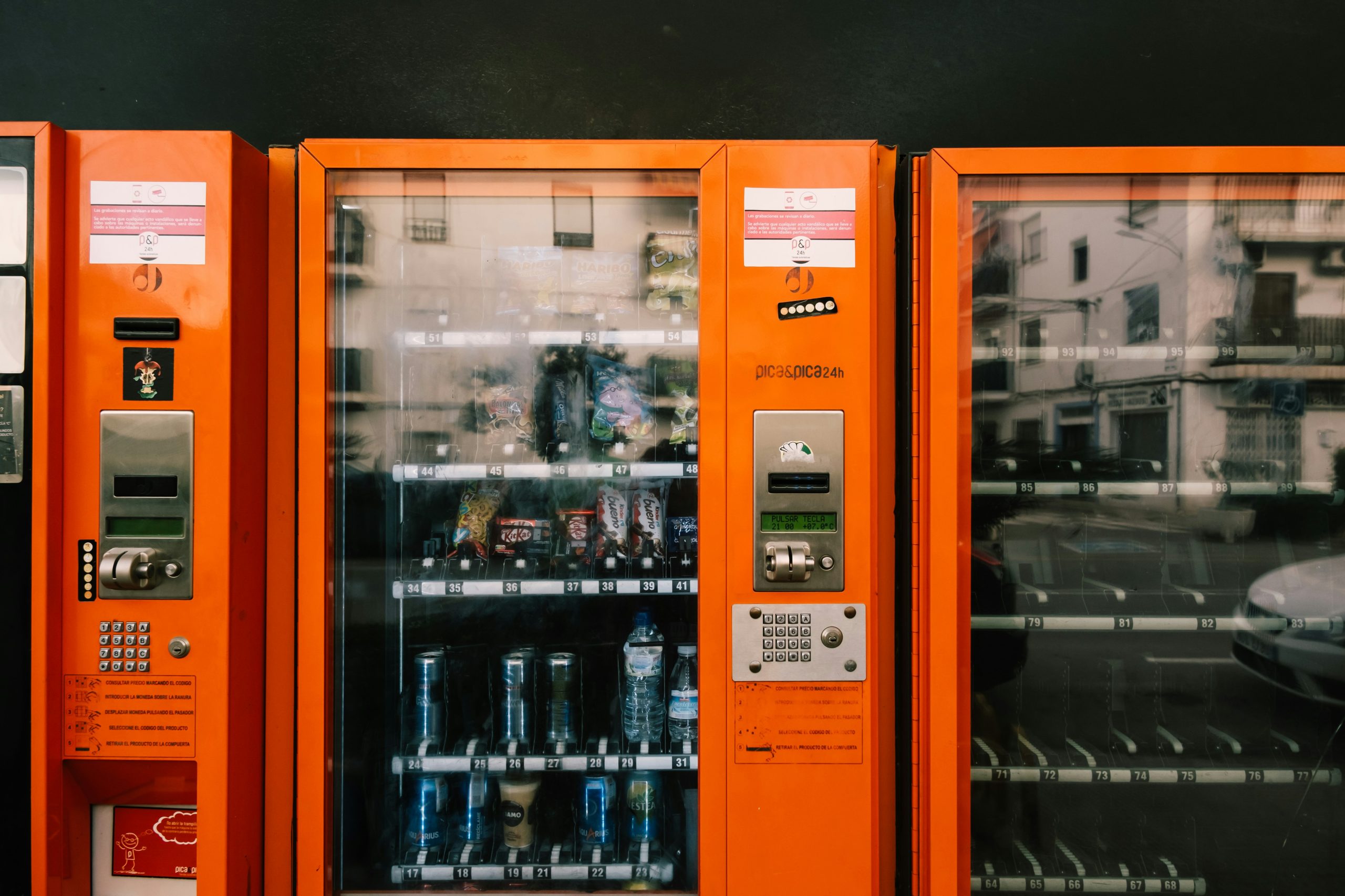
The vending machine industry is experiencing unprecedented growth, with global market revenue expected to reach $25.25 billion by 2025. Modern consumers demand convenience, 24/7 availability, and contactless transactions—making vending machines an increasingly attractive business opportunity. Whether you’re seeking passive income or planning to build a full-scale operation, becoming a vending machine supplier offers compelling profit potential.
This comprehensive guide covers everything you need to know about starting and scaling a successful vending machine supply business. From initial market research to operational excellence, you’ll discover proven strategies for building a profitable venture that thrives in today’s competitive landscape.
Understanding the Vending Machine Supply Business Model
The vending machine supplier business involves purchasing, placing, and maintaining automated retail machines that sell products directly to consumers. As a supplier, you’re responsible for machine acquisition, location negotiations, product sourcing, inventory management, and ongoing maintenance.
Revenue streams typically include direct product sales, location-based commissions, and potential advertising partnerships. Your profit margins depend on factors like product markup, location performance, operational efficiency, and maintenance costs. Successful operators often achieve 15-35% profit margins after covering all operational expenses.
The business model offers scalability advantages. Start with a single machine to test market demand, then expand systematically based on performance data. Many successful suppliers begin part-time while maintaining other income sources, gradually transitioning to full-time operations as revenue grows.
Modern vending machines incorporate advanced technologies including cashless payment systems, remote monitoring, and inventory management software. These features reduce operational costs while improving customer experience and revenue potential.
Market Research and Business Planning
Analyzing Local Market Demand
Successful vending machine suppliers conduct thorough market research before investing in equipment. Study population density, foot traffic patterns, demographics, and consumer spending habits in your target areas. High-traffic locations with limited food service options often present the best opportunities.
Competitor analysis reveals market saturation levels and identifies underserved niches. Visit potential locations during different times and days to observe existing vending machines. Note product offerings, pricing strategies, and apparent customer usage patterns.
Demographic research helps determine optimal product selections for different locations. Office buildings may favor premium coffee and healthy snacks, while schools and recreational facilities often see higher demand for affordable branded items and beverages.
Seasonal patterns affect vending machine performance significantly. Understanding local weather patterns, academic calendars, and holiday schedules helps predict revenue fluctuations and plan inventory accordingly.
Creating a Comprehensive Business Plan
A detailed business plan serves as your roadmap to success and helps secure financing if needed. Include market analysis, financial projections, operational strategies, and growth plans. Banks and investors require comprehensive documentation when considering funding requests.
Financial projections should cover startup costs, ongoing expenses, and revenue forecasts for at least three years. Include equipment purchases, location fees, inventory costs, insurance, and maintenance expenses. Conservative estimates help prevent cash flow problems during the initial growth phase.
Operational plans detail your service routes, restocking schedules, maintenance procedures, and customer service protocols. Systematic approaches to daily operations improve efficiency and reduce costs as your business grows.
Risk management strategies protect your investment from common industry challenges. Consider equipment theft, vandalism, location contract terminations, and product liability issues. Appropriate insurance coverage and contingency plans minimize potential losses.
Equipment Selection and Acquisition
Choosing the Right Vending Machines
Modern vending machines offer diverse features and capabilities. Basic models handle simple snack and beverage sales, while advanced units support fresh food, electronics, and specialty products. Your choice depends on target markets, product strategies, and available capital.
New machines cost $3,000-$10,000 depending on features and capacity. They include warranties, latest technology, and manufacturer support. However, higher upfront costs may limit initial expansion opportunities for new suppliers.
Used machines offer lower entry costs but require careful inspection and evaluation. Check mechanical condition, age, technology compatibility, and available parts. Reputable dealers provide warranties and service support for quality used equipment.
Refurbished machines represent a middle ground between new and used options. Professional reconditioning addresses wear issues while maintaining affordability. Many suppliers prefer refurbished units from established dealers who guarantee performance.
Essential Technology Features
Cashless payment systems are mandatory for modern vending operations. Credit cards, mobile payments, and contactless transactions have become standard customer expectations. Machines without these capabilities lose significant sales opportunities.
Remote monitoring technology provides real-time insights into machine performance, inventory levels, and technical issues. This capability reduces unnecessary service trips and prevents lost sales from empty machines or technical problems.
Energy-efficient components reduce operational costs while supporting environmental sustainability. LED lighting, improved insulation, and smart power management systems lower electricity consumption significantly.
Security features protect your investment from theft and vandalism. Reinforced construction, advanced locking systems, and alarm capabilities deter criminal activity. Some locations require specific security certifications for machine placement.
Location Strategy and Negotiations
Identifying Prime Locations
Location selection determines your vending machine’s success more than any other factor. High-traffic areas with limited food service competition offer the best revenue potential. Focus on locations where people spend extended time and have disposable income.
Office buildings provide consistent weekday traffic with professional demographics. Employees value convenience and often pay premium prices for quality products. Target buildings with 200+ workers and limited nearby food options.
Educational institutions offer high-volume opportunities with diverse demographics. Students, faculty, and staff create steady demand for affordable snacks and beverages. Consider seasonal variations during holidays and exam periods.
Healthcare facilities provide unique advantages with 24/7 customer flow. Hospitals, clinics, and medical centers serve patients, visitors, and healthcare workers around the clock. These locations often have less competition and steady demand patterns.
Transportation hubs like bus stations, train terminals, and airports generate exceptional traffic volumes. Travelers frequently purchase snacks and beverages while waiting or during transit. However, competition for prime spots is intense.
Negotiating Successful Agreements
Approach location negotiations professionally with prepared presentations highlighting mutual benefits. Emphasize convenience for building occupants, additional revenue streams for property owners, and minimal space requirements.
Rental structures vary significantly across locations and property types. Fixed monthly fees provide predictable costs but limit profit potential in high-performing locations. Revenue-sharing arrangements can maximize returns but create income variability.
Contract terms should clearly define responsibilities, payment schedules, and termination conditions. Include clauses covering maintenance access, utility costs, liability requirements, and exclusivity provisions to prevent future disputes.
Offer flexible arrangements that accommodate different property owner preferences. Some prioritize guaranteed monthly income, while others prefer revenue-sharing agreements aligned with your success.
Product Selection and Inventory Management
Understanding Consumer Preferences
Product selection directly impacts revenue and customer satisfaction. Research local demographics, cultural preferences, and seasonal demand patterns. What sells well in office buildings may differ significantly from school or healthcare locations.
Healthy options are increasingly popular across all demographics. Organic snacks, low-sugar beverages, and protein bars appeal to health-conscious consumers willing to pay premium prices. Balance these offerings with traditional favorites.
Local and regional brands often outperform national alternatives, even when priced similarly. Research popular local products and establish relationships with regional suppliers for competitive advantages.
Seasonal demand patterns affect product performance throughout the year. Hot beverages may sell poorly in summer months, while cold drinks and frozen treats see increased demand during warm weather.
Optimizing Inventory Levels
Inventory management balances product availability with carrying costs. Stockouts lose immediate sales and frustrate customers, while excess inventory ties up capital and may expire before selling.
Sales data analysis reveals customer preferences, peak demand periods, and product performance trends. Use this information to optimize product selection and adjust stocking levels for maximum profitability.
Supplier relationships affect product costs and availability. Establish accounts with multiple distributors to ensure consistent supply and competitive pricing. Volume purchasing often provides significant cost savings.
Rotation systems ensure product freshness and reduce waste. Implement first-in, first-out procedures and monitor expiration dates closely. Expired products damage your reputation and create liability risks.
Pricing Strategies and Revenue Optimization
Competitive Pricing Analysis
Price research helps establish optimal pricing for different products and locations. Study competitor pricing, local market rates, and customer price sensitivity. Premium locations may support higher prices than budget-conscious areas.
Dynamic pricing strategies maximize revenue during peak demand periods. Morning rush hours and lunch breaks often see increased willingness to pay premium prices for convenience.
Bundle pricing encourages larger purchases and increases average transaction values. Combo deals and multi-item discounts appeal to customers seeking value while boosting your revenue per sale.
Promotional pricing drives sales during slow periods and introduces new products. Limited-time offers and seasonal specials create excitement and encourage trial purchases.
Maximizing Revenue Streams
Product sales represent your primary revenue source, but additional income streams can significantly boost profitability. Advertising partnerships with local businesses provide steady income regardless of product sales performance.
Premium product lines command higher margins while serving customers willing to pay for quality. Gourmet snacks, artisanal beverages, and specialty items often generate superior profits per sale.
Seasonal product rotations keep offerings fresh while capitalizing on changing demand patterns. Holiday-themed items, seasonal beverages, and limited-time products create excitement and drive sales.
Corporate partnerships with building management companies can secure prime locations and reduce rental costs. Some property owners prefer working with established operators who provide reliable service.
Operations and Maintenance Excellence
Efficient Service Systems
Route optimization minimizes travel time and fuel costs while maximizing productivity. Group machines by geographic location and create logical service schedules that reduce operational expenses.
Service frequency should match sales velocity to prevent stockouts while minimizing unnecessary trips. High-performing machines may require daily service, while slower locations might need weekly attention.
Maintenance schedules prevent costly breakdowns and ensure consistent customer experience. Regular cleaning, part replacement, and software updates maintain machine performance and extend equipment life.
Quality control systems protect your reputation and ensure customer satisfaction. Implement rotation procedures and expiration date monitoring to maintain product quality consistently.
Technology Integration
Remote monitoring systems provide real-time insights into machine performance, inventory levels, and technical issues. This technology reduces unnecessary service trips and prevents lost sales from empty machines.
Inventory management software tracks sales patterns and predicts restocking needs. Automated reorder systems ensure popular items remain available while minimizing excess inventory costs.
Customer service protocols handle complaints and technical issues professionally. Quick response times and fair resolution policies build customer loyalty and protect your business reputation.
Data analytics reveal customer preferences, peak demand periods, and product performance trends. Regular analysis helps optimize operations and identify improvement opportunities.
Financial Management and Growth Planning
Cash Flow Optimization
Revenue collection schedules should balance security with operational efficiency. Some locations may require daily collection, while others can safely accommodate weekly schedules.
Expense tracking systems monitor all operational costs, from product purchases to maintenance expenses. Detailed records help identify cost-saving opportunities and improve profitability.
Seasonal budgeting accounts for revenue fluctuations throughout the year. Holiday periods, school breaks, and weather patterns all affect vending machine sales patterns.
Tax planning strategies maximize after-tax profits through proper expense documentation and timing. Consult with accounting professionals to ensure compliance and optimize tax positions.
Scaling Your Operation
Location expansion requires careful market research and financial planning. Successful single-machine operations can often replicate success in similar locations with proper preparation.
Effective inventory management is crucial when scaling your vending machine operation. Regularly monitoring inventory levels ensures that your machines remain stocked with high-demand items, preventing missed sales opportunities. Consider leveraging inventory tracking software to streamline this process and analyze consumer preferences. Additionally, establishing strong relationships with suppliers can help negotiate better pricing and ensure a consistent supply of products, contributing to increased profitability and customer satisfaction.
Related Blog