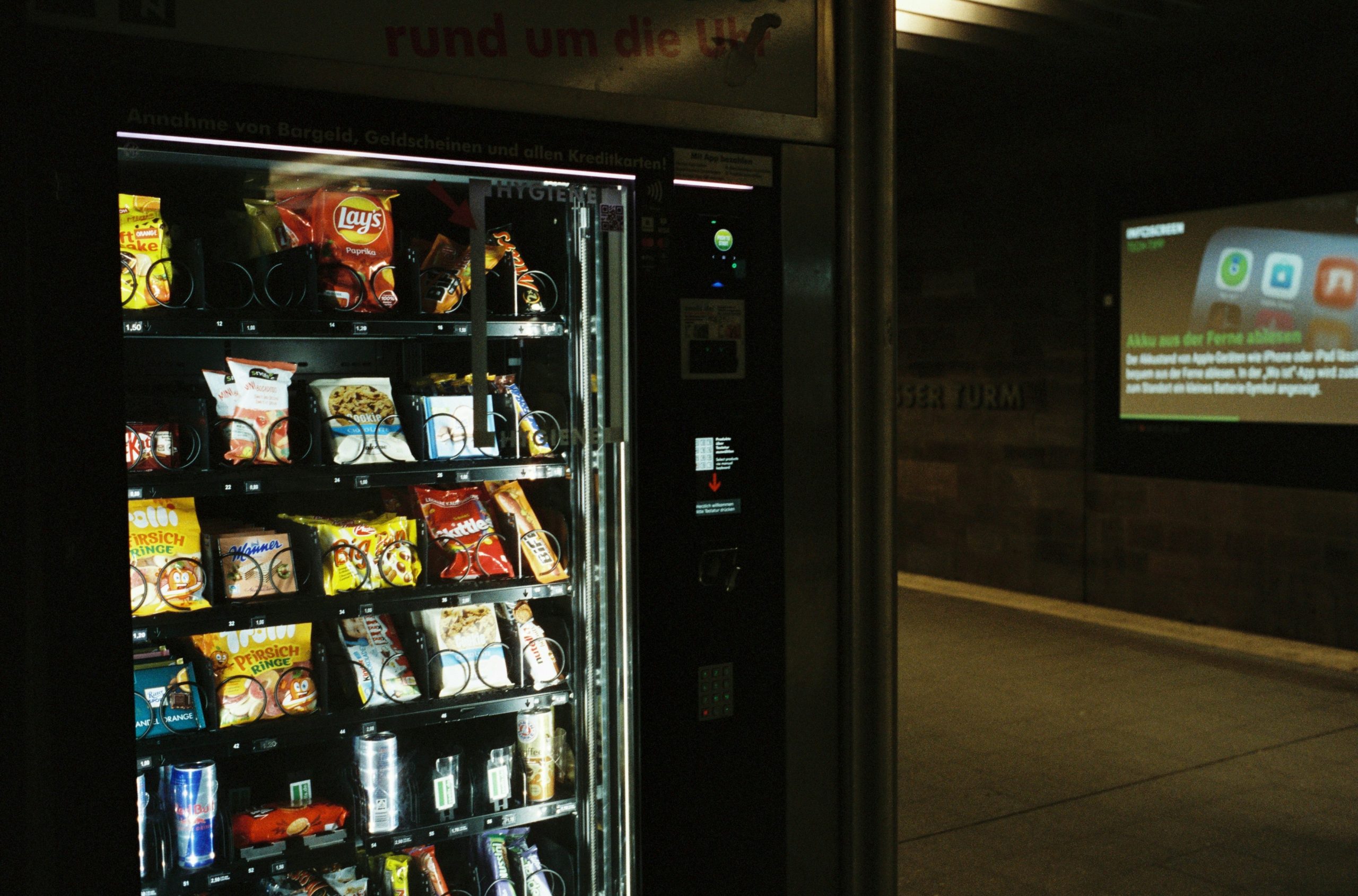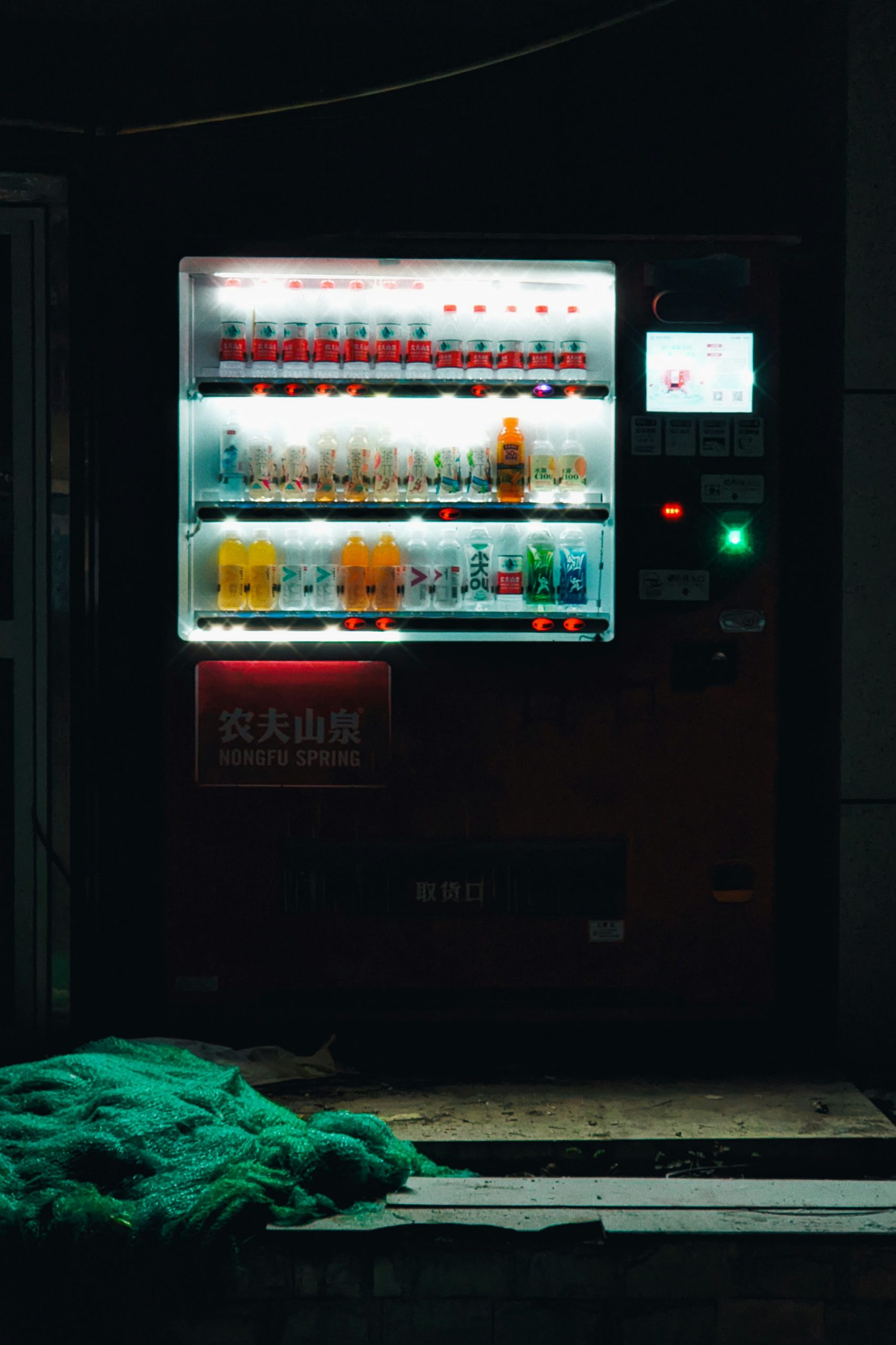
Vending machines present one of the most accessible passive income opportunities available today. Unlike traditional businesses that require constant oversight, a well-positioned vending machine can generate revenue 24/7 with minimal daily management. However, success depends on understanding the nuances of location selection, product strategy, and operational efficiency.
The vending machine industry generates billions in annual revenue, with individual machines earning anywhere from $35 to $400 per week depending on placement and product selection. This comprehensive guide will show you how to maximize your vending machine rental investment through strategic planning, smart maintenance, and proven revenue optimization techniques.
Understanding the Vending Machine Rental Market
The rental model offers significant advantages for new operators. Rather than purchasing equipment outright, you can test locations and product strategies with lower upfront investment. Most rental agreements include maintenance support, reducing your operational burden while you learn the business.
Rental costs typically range from $50 to $300 per month, depending on machine type and features. Modern machines with cashless payment systems command higher rental fees but often generate increased revenue through convenience and broader payment acceptance.
Market demand varies significantly by location type. High-traffic areas like office buildings, schools, and hospitals consistently outperform standalone locations. Understanding foot traffic patterns and customer demographics helps predict revenue potential before committing to rental agreements.
Location Selection Strategy
Location determines more than 70% of your vending machine’s success. The best products and maintenance practices cannot overcome poor placement. Successful locations share common characteristics: high foot traffic, limited nearby alternatives, and customer demographics that match your product strategy.
High-Traffic Commercial Buildings
Office buildings provide consistent weekday traffic with predictable peak periods. Employees develop routine purchasing patterns, creating stable revenue streams. Target buildings with at least 100 workers and limited nearby convenience stores.
Negotiate placement of your vending machine for rent in high-visibility areas like break rooms, lobbies, or near elevators. Avoid locations where your machine competes directly with subsidized cafeterias or existing food service.
Consider the building’s visitor policies. Secured buildings with restricted access may limit your customer base, while open buildings attract more diverse traffic.
Educational Institutions
Schools and universities offer excellent vending opportunities due to captive audiences and extended operating hours. Student populations consistently purchase snacks and beverages, especially during late-night study sessions.
Partner with facility management to understand placement restrictions and compliance requirements. Many institutions have specific nutritional guidelines or exclusive beverage contracts that affect product selection.
Seasonal variations significantly impact educational locations. Plan for reduced revenue during summer breaks and holidays when student populations decline.
Healthcare Facilities
Hospitals and medical centers provide 24/7 traffic from staff, patients, and visitors. These locations often generate above-average revenue due to limited alternatives and high stress levels that increase impulse purchases.
Healthcare facilities typically require specific product selections focused on healthier options. Prepare to stock items that meet nutritional guidelines while maintaining profitability.
Consider placement near waiting areas, staff break rooms, or visitor lounges where people have time to make purchases. Avoid locations that might interfere with medical equipment or emergency procedures.
Transportation Hubs
Airports, train stations, and bus terminals offer high-volume traffic with customers who have limited alternatives. Travelers often pay premium prices for convenience, improving your profit margins.
Competition is typically intense at major transportation hubs. Secure prime locations early and be prepared to offer competitive rental terms to facility management.
Product selection should focus on travel-friendly items and essentials that customers might have forgotten. Pricing can be higher than typical locations due to captive audiences.
Product Selection and Pricing Strategy
Successful product selection balances customer demand with profit margins. Understanding your location’s demographics helps optimize inventory choices and pricing strategies.
Analyzing Customer Demographics
Office workers prefer quick energy boosts and healthy alternatives during business hours. Stock protein bars, nuts, and premium coffee options alongside traditional snacks.
Students typically have limited budgets but purchase frequently. Focus on affordable options with good margins like chips, candy, and energy drinks.
Healthcare environments require more health-conscious selections. Include organic options, low-sodium snacks, and sugar-free beverages to meet customer expectations.
Profit Margin Optimization
Calculate profit margins by considering product cost, rental fees, and operational expenses. Aim for 100-200% markup on individual items to ensure profitability after all costs.
Beverages typically offer better margins than snacks due to higher selling prices and customer willingness to pay for convenience. Cold drinks command premium prices, especially in hot climates.
Test pricing strategies by adjusting prices incrementally and monitoring sales volume. Sometimes lower prices increase volume enough to improve overall profitability.
Seasonal Inventory Management
Adjust product selection based on seasonal demand patterns. Hot beverages perform better in winter, while cold drinks and ice cream dominate summer sales.
Holiday periods often see increased candy and gift item sales. Stock seasonal products early and adjust pricing to capitalize on holiday spending.
Monitor expiration dates carefully, especially for perishable items. Rotate stock regularly to minimize waste and maintain product freshness.
Revenue Optimization Techniques
Maximizing revenue requires ongoing attention to machine performance, customer behavior, and market conditions. Small improvements in multiple areas compound to significantly impact profitability.
Payment System Upgrades
Cashless payment systems can increase sales by 20-30% by accommodating customers who don’t carry cash. Credit card readers and mobile payment options expand your customer base.
Consider the additional monthly fees for cashless systems when calculating profitability. The increased revenue often justifies the extra cost, especially in tech-savvy locations.
Ensure your payment system is reliable and user-friendly. Frustrated customers who lose money due to payment failures may avoid your machine permanently.
Dynamic Pricing Strategies
Implement time-based pricing for beverages, charging premium rates during peak hours when demand is highest. This strategy works particularly well in office environments.
Monitor competitor pricing to ensure your rates remain competitive while maximizing profits. Sometimes matching competitor prices is less profitable than finding unique product niches.
Test price sensitivity by adjusting individual item prices and measuring sales response. Some products have inelastic demand, allowing for higher margins without significant volume loss.
Promotional Campaigns
Run limited-time promotions to increase sales volume and attract new customers. “Buy two, get one free” campaigns can move slow-selling inventory while increasing overall revenue.
Partner with local businesses or events to cross-promote your vending machine. Offering discounts to employees of nearby companies can build customer loyalty.
Use social media or simple signage to promote new products or special offers. Even basic marketing efforts can significantly impact sales in the right locations.
Operational Efficiency and Maintenance
Consistent maintenance keeps your vending machine running smoothly while minimizing costly downtime. Preventive care costs far less than emergency repairs and protects your revenue stream.
Establishing Maintenance Routines
Create weekly maintenance schedules that include cleaning, restocking, and basic system checks. Regular attention prevents small problems from becoming major issues.
Monitor machine performance metrics like sales volume, coin mechanism function, and product dispensing accuracy. Declining performance often indicates maintenance needs.
Troubleshooting Common Issues
Power-related problems often stem from loose connections or blown fuses. Keep basic electrical supplies on hand and learn to identify common electrical issues safely.
Coin mechanism problems frequently occur due to debris accumulation or calibration drift. Regular cleaning and proper adjustment maintain reliable operation.
Product dispensing failures usually result from improper loading or mechanical wear. Understanding your machine’s dispensing mechanism helps prevent and resolve these issues.
Bill acceptor malfunctions often stem from dirty sensors or worn components. Regular cleaning with appropriate supplies maintains reliable currency acceptance.
Professional Service Relationships
Develop relationships with qualified service technicians who understand your equipment. Emergency repairs cost significantly more than scheduled maintenance visits.
Consider service contracts for critical locations where downtime severely impacts revenue. Regular professional maintenance prevents many common problems.
Keep detailed maintenance records to track patterns and identify recurring issues. This information helps optimize service schedules and predict replacement needs.
Financial Management and Scaling
Successful vending machine operations require careful financial tracking and strategic planning for growth. Understanding your numbers enables informed decisions about expansion and optimization.
Revenue Tracking and Analysis
Monitor daily, weekly, and monthly revenue patterns to identify trends and opportunities. Seasonal variations and location-specific patterns guide inventory and pricing decisions.
Calculate key performance metrics like revenue per day, profit margins, and return on investment. These numbers help evaluate location performance and guide expansion decisions.
Track expenses carefully, including rental fees, product costs, fuel, and maintenance expenses. Accurate cost tracking ensures profitable operations and identifies areas for improvement.
Scaling Your Operation
Start with one or two machines to learn the business before expanding. Each location has unique characteristics that require different approaches to optimization.
Evaluate new locations using criteria developed from your successful placements. Look for similar demographics, traffic patterns, and competitive landscapes.
Consider different machine types as you expand. Specialized machines for specific products or environments may offer better returns than general-purpose units.
Tax Considerations and Legal Compliance
Understand local business licensing requirements and tax obligations. Some locations require specific permits or health department approvals for food service.
Keep detailed records of all business expenses for tax purposes. Vehicle expenses, maintenance costs, and inventory purchases are typically deductible business expenses.
Consider forming a business entity to protect personal assets and potentially reduce tax liability. Consult with accounting professionals to optimize your business structure.
Technology Integration and Future Trends
Modern vending machines incorporate advanced technology that can significantly improve profitability and operational efficiency. Understanding these trends helps position your business for long-term success.
Smart Vending Solutions
IoT-enabled machines provide real-time inventory tracking and sales data. This information allows for more efficient restocking and better inventory management.
Remote monitoring systems alert you to maintenance needs and operational issues before they impact sales. Preventive maintenance becomes more effective with real-time data.
Customer analytics help optimize product selection and pricing based on actual purchasing patterns rather than assumptions.
Contactless Payment Evolution
Mobile payment integration continues expanding, with some customers preferring contactless transactions over cash or cards. Staying current with payment trends maintains competitive advantage.
Cryptocurrency payments are emerging in some markets, though adoption remains limited. Monitor these trends to identify opportunities for early adoption.
Sustainability Initiatives
Eco-friendly products and sustainable packaging increasingly influence customer choices. Stocking environmentally conscious options can differentiate your machines.
Energy-efficient machines reduce operational costs while appealing to environmentally aware customers. Consider these factors when selecting rental equipment.
Building Long-Term Success
Vending machine success depends on consistent attention to operational details and strategic planning for growth. Focus on building systems that can scale as your business expands.
Start with realistic expectations and gradually improve performance through systematic optimization. Each location provides learning opportunities that improve your overall operation.
Build relationships with location managers, service providers, and suppliers. Strong partnerships provide competitive advantages and support business growth.
Stay informed about industry trends and new technologies that might impact your business. Adapting to change early often provides significant competitive advantages.
The vending machine rental business offers genuine passive income potential for operators who understand the fundamentals and commit to ongoing optimization. Success requires initial effort to establish efficient systems, but profitable operations can generate revenue with minimal daily involvement.
One key factor in sustaining a successful vending machine rental business is location. Choosing high-traffic areas where potential customers frequently pass by can significantly impact revenue. Ideal locations may include office buildings, schools, gyms, or shopping centers. Conducting thorough market research and negotiating favorable agreements with property owners can help secure optimal spots.
Additionally, maintaining well-stocked and clean machines is essential for customer satisfaction. Regularly monitoring inventory levels and promptly addressing technical issues not only enhance the user experience but also encourage repeat business. Offering a variety of products that align with the target audience’s preferences can further maximize profitability.
Related Blog