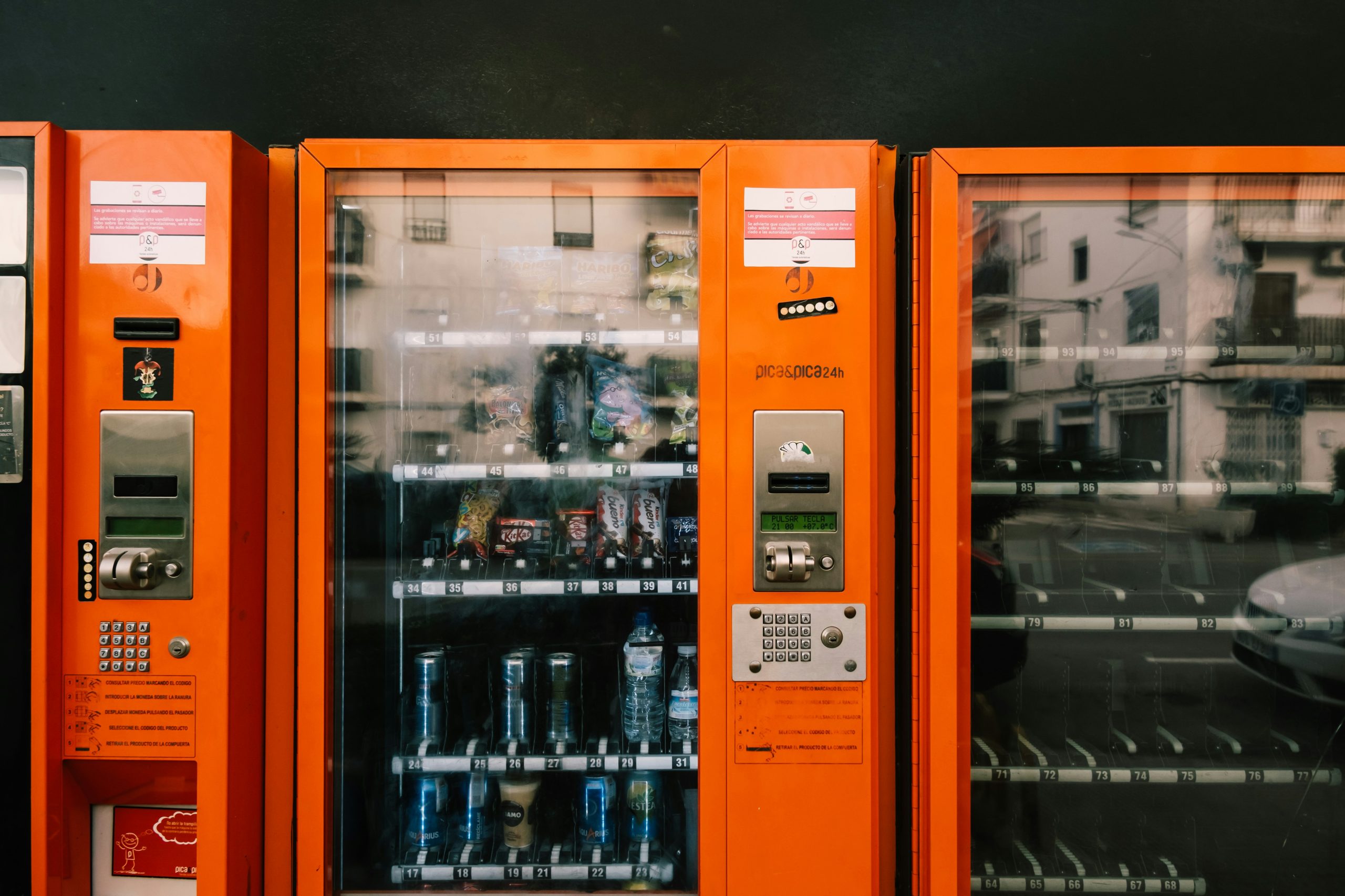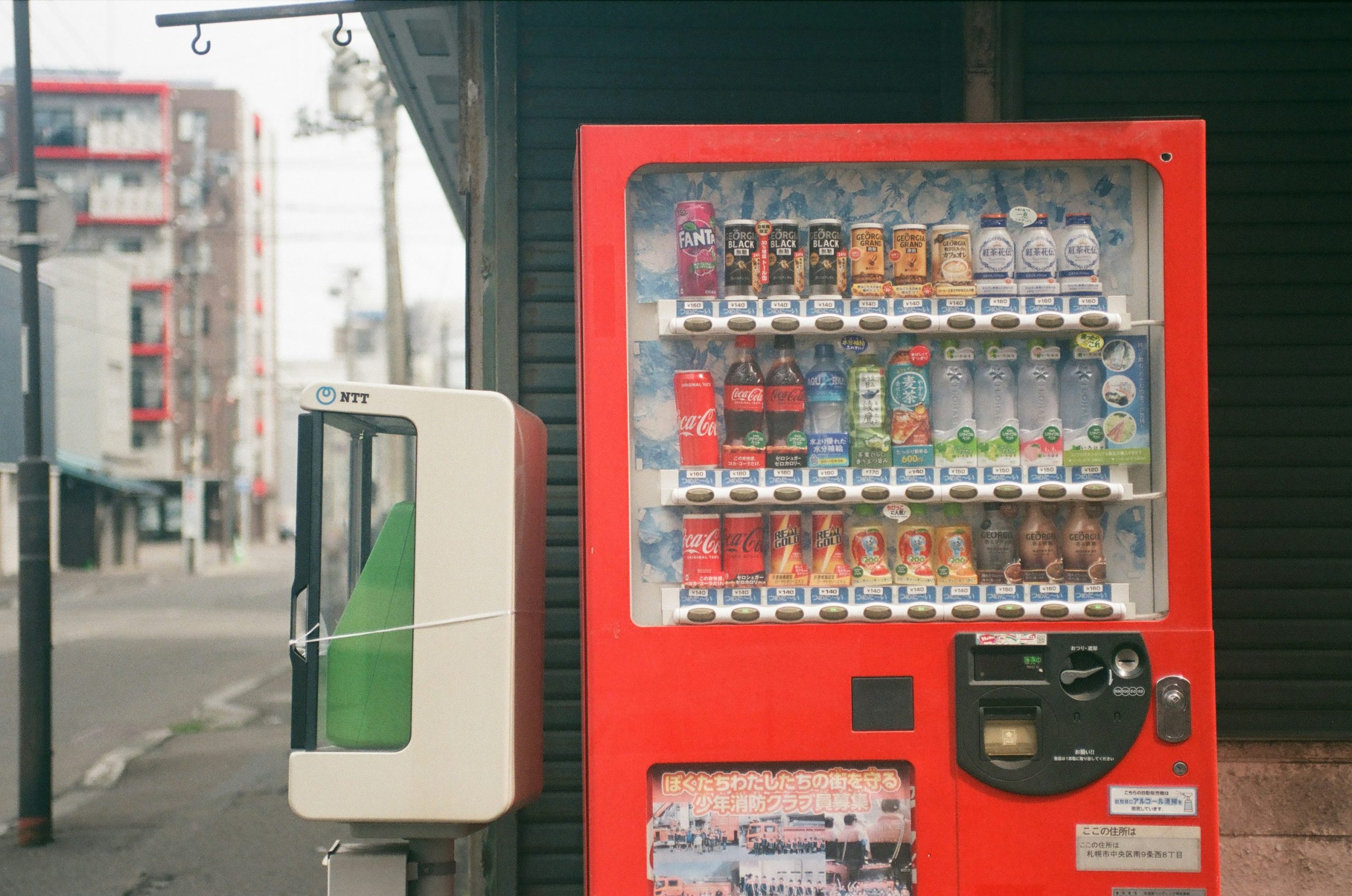
Starting a vending machine business can be an excellent way to generate passive income and build a scalable enterprise. With relatively low startup costs and the potential for steady cash flow, vending machines offer entrepreneurs a unique opportunity to enter the retail space without the complexity of traditional storefronts.
The vending machine industry has evolved significantly beyond simple snack and soda dispensers. Modern machines accept contactless payments, offer fresh food options, and even provide technology accessories. This evolution has opened new market opportunities while maintaining the core appeal of 24/7 automated sales.
This comprehensive guide will walk you through everything you need to know about starting a vending machine business, from initial market research to scaling your operations for maximum profitability.
Understanding the Vending Machine Market
Market Growth and Opportunities
The global vending machine market continues to expand, driven by consumer demand for convenience and technological innovations. Busy lifestyles, urbanization, and the rise of cashless payment systems have all contributed to this growth.
Modern consumers expect instant access to products and services. Vending machines fulfill this expectation by providing 24/7 availability in high-traffic locations. The COVID-19 pandemic actually accelerated adoption as people sought contactless purchasing options.
Technology integration has transformed the industry. Smart vending machines now feature touch screens, inventory tracking, and remote monitoring capabilities. These innovations improve customer experience while providing operators with valuable data insights.
The market spans numerous product categories beyond traditional snacks and beverages. Fresh food, personal care items, electronics, and even luxury goods are now available through vending machines. This diversification creates multiple revenue streams for entrepreneurs.
Identifying Your Target Market
Success in the vending machine business starts with understanding your target customers. Different locations attract different demographics with varying preferences and spending patterns.
Office buildings cater to working professionals who value convenience and quality. These customers often prefer premium coffee, healthy snacks, and quick meal options. They’re typically willing to pay higher prices for better products.
Educational institutions serve students and faculty with limited budgets but high volume needs. Popular brand names and affordable prices drive sales in these environments. However, seasonal variations during holidays and exam periods can affect revenue consistency.
Healthcare facilities provide unique opportunities with 24/7 customer flow. Patients, visitors, and medical staff create diverse demand patterns. Comfort foods, energy drinks, and healthy options all find markets in healthcare settings.
Transportation hubs experience high foot traffic from commuters and travelers. These locations offer exposure to diverse customer segments throughout the day. Products should cater to travelers’ needs, including snacks, beverages, and convenience items.
Choosing Your Business Model
Full-Service Rental Agreements
Full-service rental agreements provide the easiest entry point for new entrepreneurs. Rental companies handle machine installation, maintenance, restocking, and customer service while sharing revenue with location partners.
This model requires minimal upfront investment and operational involvement. You focus on securing high-quality locations while the rental company manages day-to-day operations. Revenue sharing typically ranges from 15% to 40% of gross sales, depending on location desirability.
The main advantage is reduced operational complexity. You don’t need to manage inventory, handle maintenance, or deal with technical issues. This allows you to focus on business development and location acquisition.
However, revenue sharing means lower profit margins compared to full ownership models. You also have less control over product selection and pricing decisions.
Machine Ownership and Operation
Owning and operating your own machines provides maximum control and profit potential. You handle all aspects of the business, from machine purchase to daily operations.
Initial investment is higher, typically ranging from $3,000 to $10,000 per machine, depending on type and features. However, you keep all revenue after location fees and operational expenses.
This model requires more hands-on involvement. You’ll need to handle inventory purchasing, machine maintenance, cash collection, and customer service. Time investment increases significantly compared to rental models.
The reward is higher profit margins and complete business control. You can adjust product selection, pricing, and marketing strategies based on location performance and customer feedback.
Hybrid Approaches
Many successful operators use hybrid approaches combining different business models. Starting with rental agreements can provide market experience while building capital for machine purchases.
Lease-to-own options offer pathways to ownership through monthly payments. These arrangements provide business ownership opportunities without large upfront investments. Monthly payments typically range from $150 to $600, depending on machine type and lease terms.
Revenue sharing partnerships involve collaboration between machine owners and location providers. Both parties invest in the operation and share profits based on agreed percentages. This model works well when both parties bring valuable resources to the partnership.
Location Selection and Securing Placement
High-Traffic Areas
Location selection is the most critical factor in vending machine success. High foot traffic areas generate more sales but often require higher rental payments or revenue sharing percentages.
Shopping malls provide excellent exposure but charge premium rates for vending machine space. Competition from food courts and retail stores can limit sales potential in some mall locations. However, strategic placement near popular stores or entertainment venues can generate strong sales.
Office buildings offer steady weekday traffic from employees and visitors. Premium office locations with limited food options nearby often generate strong vending machine sales. Building management companies may require revenue sharing or monthly rental fees.
Hospitals and medical facilities provide 24/7 customer flow with minimal competition. Patients, visitors, and medical staff create consistent demand for snacks, beverages, and convenience items. These locations often have strict vendor requirements and approval processes.
Negotiating Placement Agreements
Successful location negotiations require understanding what property owners value. Some prioritize monthly rental income, while others prefer revenue sharing arrangements that align with your success.
Prepare a professional presentation highlighting the benefits of vending machine placement. Emphasize convenience for tenants, additional revenue for property owners, and minimal space requirements. Include references from existing locations if available.
Offer flexible terms that work for both parties. Some locations prefer guaranteed monthly payments, while others want percentage-based arrangements. Be prepared to negotiate based on location desirability and foot traffic projections.
Written agreements should clearly define responsibilities, payment terms, and termination conditions. Include clauses covering maintenance access, electrical costs, and liability insurance requirements.
Evaluating Location Potential
Successful location evaluation goes beyond simple foot traffic counts. Consider customer demographics, spending patterns, and competition from nearby food sources.
Observe locations during different times and days to understand traffic patterns. Peak hours may vary significantly between weekdays and weekends. Some locations may have strong morning traffic but limited afternoon sales.
Competition analysis helps predict sales potential. Locations with limited food options nearby often generate stronger vending machine sales. However, complementary businesses like convenience stores may actually increase overall customer traffic.
Accessibility for restocking and maintenance affects operational efficiency. Locations requiring special access permissions or difficult maneuvering can increase operational costs significantly.
Financial Planning and Investment Requirements
Initial Investment Breakdown
Starting a vending machine business requires careful financial planning. Initial investments vary significantly based on business model, machine types, and location requirements.
Machine purchases represent the largest upfront cost. New machines range from $3,000 to $10,000, while used machines start around $1,500. Smart machines with advanced features command premium prices but may generate higher revenues.
Location deposits and fees add to initial costs. Security deposits typically range from one to three months’ rent, depending on rental agreements. Some locations require additional insurance or licensing fees.
Initial inventory investment depends on machine capacity and product selection. Budget $300 to $800 per machine for initial stock, depending on product mix and wholesale pricing. Higher-end products require larger inventory investments.
Working capital for ongoing operations includes rent, inventory replacement, and maintenance costs. Most operators need at least three months’ operating expenses as working capital to handle cash flow variations.
Revenue Projections and Profitability
Revenue potential varies dramatically based on location, machine type, and product selection. High-traffic locations can generate $1,000 to $3,000 monthly revenue per machine, while poor locations may struggle to reach $200 per month.
Profit margins depend on product costs, location fees, and operational expenses. Typical gross margins range from 40% to 60%, with net margins after all expenses averaging 15% to 25%.
Product selection significantly impacts profitability. Premium products command higher margins but may have lower sales volumes. Balancing product mix optimizes overall profitability while meeting customer preferences.
Seasonal variations affect revenue consistency. Holiday periods, weather patterns, and local events all influence vending machine sales throughout the year. Build these variations into financial projections.
Financing Options
Many entrepreneurs start vending machine businesses with personal savings or credit cards. Low initial investment requirements make this approach feasible for many people.
Small business loans provide larger funding for multi-machine operations. Banks and credit unions offer various loan products for small businesses. SBA loans may offer favorable terms for qualifying entrepreneurs.
Equipment financing specifically for vending machines is available from specialized lenders. These loans typically use the machines as collateral, potentially offering better terms than unsecured loans.
Partnerships with investors can provide capital while sharing business risks. Revenue sharing arrangements with location owners can also reduce upfront investment requirements.
Regulatory Requirements and Compliance
Business Registration and Licensing
Operating a vending machine business requires proper business registration and licensing. Requirements vary by location but typically include business license applications and tax registration.
Sole proprietorships provide the simplest business structure for small operations. Registration fees are typically minimal, and tax reporting is straightforward. However, personal liability protection is limited.
LLC formation offers liability protection while maintaining operational flexibility. Formation costs are higher than sole proprietorships but provide significant legal and financial protection.
Sales tax registration is required in most jurisdictions. You’ll need to collect and remit sales tax on vending machine sales. Understanding local tax requirements prevents compliance issues and penalties.
Health and Safety Regulations
Food safety regulations apply to vending machines dispensing food and beverages. Health departments enforce food safety standards and conduct regular inspections.
Food handling permits may be required for operators involved in food preparation or handling. Training programs help operators understand food safety requirements and maintain compliance.
Machine hygiene standards require regular cleaning and maintenance. Operators must maintain cleaning logs and follow prescribed sanitization procedures. Failure to comply can result in fines or license suspension.
Temperature monitoring is crucial for machines dispensing perishable items. Automated monitoring systems help maintain food safety standards and provide compliance documentation.
Insurance Requirements
General liability insurance protects against customer injury claims and property damage. Most locations require minimum coverage amounts, typically $1 million per occurrence.
Product liability insurance covers claims related to defective or contaminated products. This coverage is essential when selling food and beverages through vending machines.
Property insurance protects your machines against theft, vandalism, and natural disasters. Consider replacement cost coverage to ensure adequate protection for your investment.
Workers’ compensation insurance may be required if you hire employees. Even sole proprietors should consider this coverage for personal injury protection.
Operational Management and Best Practices
Inventory Management
Effective inventory management balances product availability with minimal waste. Tracking sales patterns helps optimize product selection and stocking levels.
Popular items should never be out of stock, as this directly impacts revenue and customer satisfaction. Use sales data to predict demand patterns and adjust restocking schedules accordingly.
Employee Training and Development
Investing in employee training and development ensures a skilled and knowledgeable workforce, which directly influences operational efficiency and customer experience. Regular training programs should focus on both technical skills and soft skills, such as communication and problem-solving. Encouraging employees to participate in workshops, certifications, or industry-related courses can boost their confidence and performance. Additionally, fostering a culture of continuous learning and professional growth helps retain talent and maintain a motivated team.
Related Blog