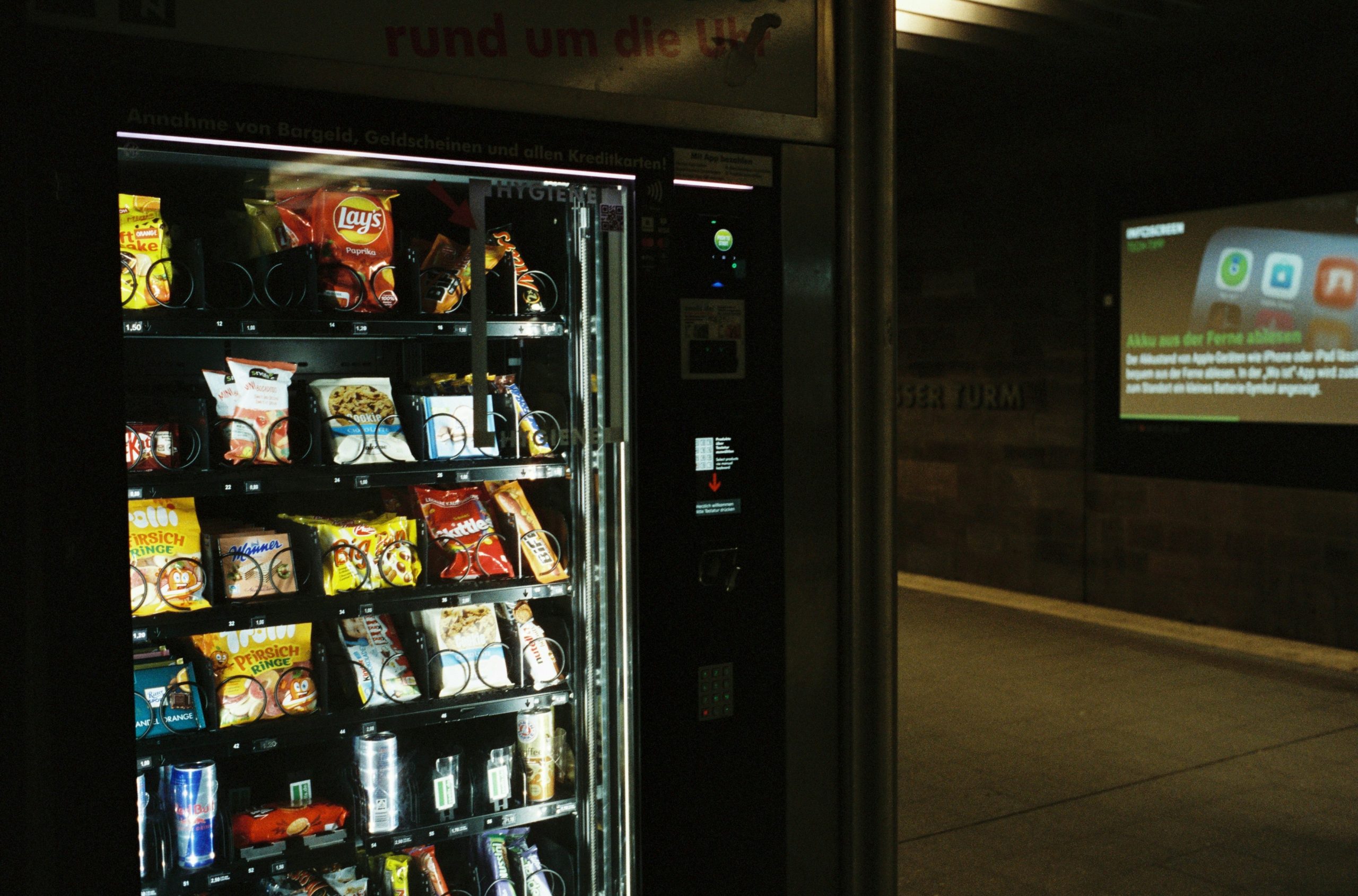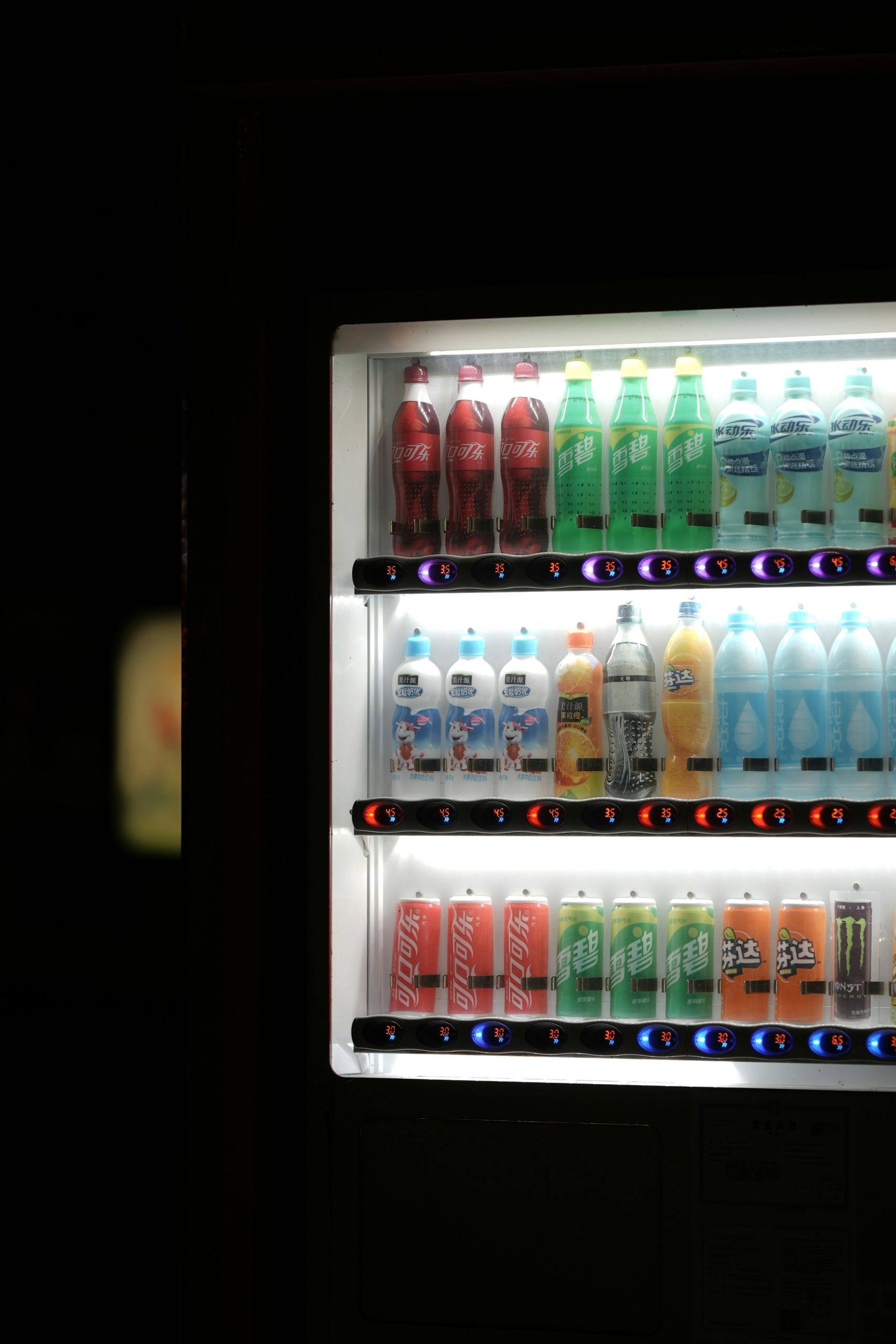
Singapore’s bustling urban landscape presents exceptional opportunities for vending machine entrepreneurs. With limited space, high foot traffic, and a tech-savvy population that values convenience, the Lion City offers ideal conditions for vending machine success. This comprehensive guide walks you through launching your vending machine franchise in Singapore, from initial setup to scaling operations.
The vending machine industry in Singapore has experienced remarkable growth, particularly following the COVID-19 pandemic as consumers increasingly prefer contactless transactions. Modern vending machines now serve everything from traditional snacks to hot meals, personal care items, and even electronics, creating diverse revenue streams for franchise operators.
Understanding Singapore’s Vending Machine Market
Singapore’s vending machine market benefits from unique local advantages. The country’s compact size allows efficient route management, while excellent public transportation ensures consistent foot traffic at MRT stations, bus interchanges, and shopping centers. High population density means even small locations can generate substantial revenue.
The local market has evolved beyond simple snack and beverage machines. Smart vending solutions now offer fresh food, beauty products, phone accessories, and even luxury items. This diversification creates multiple entry points for new franchise operators, each with distinct profit potential and operational requirements.
Government initiatives promoting cashless payments have accelerated adoption of modern vending technologies. Singapore’s push toward becoming a Smart Nation supports businesses that integrate digital payment systems, creating competitive advantages for tech-forward operators.
Market Demand and Consumer Behavior
Singaporeans demonstrate strong preference for convenience, making them ideal vending machine customers. The workforce’s long hours and busy lifestyle drive consistent demand for quick meal solutions and energy drinks throughout the day.
Tourist traffic adds another revenue layer, particularly at popular destinations like Changi Airport, Marina Bay, and shopping districts. International visitors often pay premium prices for convenience, improving profit margins at well-positioned machines.
Health-conscious trends influence product selection, with increased demand for organic snacks, protein bars, and sugar-free beverages. Operators who adapt to these preferences often achieve higher sales volumes and customer loyalty.
Choosing the Right Vending Machine Franchise
Singapore hosts several established vending machine franchises, each offering different advantages and requirements. Research thoroughly before committing to ensure alignment with your budget, goals, and preferred operational style.
Established Franchise Options
Vendiman operates one of Singapore’s largest vending networks, offering comprehensive support including location sourcing, machine maintenance, and inventory management. Their franchise model suits operators who prefer hands-off management but typically requires higher initial investment.
Farmer’s Market Vending specializes in healthy food options, targeting health-conscious consumers in office buildings and fitness centers. This franchise offers higher profit margins but requires more sophisticated inventory management due to perishable products.
Smart Vending Solutions focuses on technology integration, offering machines with advanced features like facial recognition, inventory tracking, and dynamic pricing. Their model appeals to tech-savvy operators willing to invest in cutting-edge equipment.
Evaluating Franchise Agreements
Examine franchise fees, ongoing royalties, and support provisions carefully. Initial fees typically range from $15,000 to $50,000, with monthly royalties between 5% and 15% of gross revenue. Ensure the agreement includes territory protection to prevent oversaturation.
Review training programs and ongoing support offerings. Quality franchises provide comprehensive training covering machine operation, inventory management, customer service, and basic maintenance. Ongoing support should include marketing assistance, new product introductions, and technical troubleshooting.
Understand equipment ownership and maintenance responsibilities. Some vending machine franchise Singapore include equipment in franchise fees, while others require separate purchases or leases. Clarify who handles major repairs and equipment upgrades.
Legal Requirements and Licensing
Operating vending machines in Singapore requires compliance with various regulations and licensing requirements. Understanding these obligations prevents costly delays and ensures smooth operations.
Business Registration
Register your vending machine business with the Accounting and Corporate Regulatory Authority (ACRA). Choose appropriate business structure based on your circumstances – sole proprietorship works for small operations, while private limited companies offer better protection and tax advantages for larger ventures.
Obtain necessary permits from relevant authorities. Food and beverage vending requires approvals from the Singapore Food Agency (SFA), while other products may need specific licenses depending on their nature.
Location Permissions
Secure written agreements for all vending machine locations. Property owners typically require formal contracts specifying rental terms, revenue sharing, and operational responsibilities. Government properties may require additional approvals and compliance with specific guidelines.
Understand zoning restrictions and building regulations. Some locations restrict vending machine placement due to fire safety requirements or aesthetic considerations. Verify compliance before installing equipment.
Tax Obligations
Register for Goods and Services Tax (GST) if annual revenue exceeds $1 million. Even below this threshold, voluntary registration may provide tax advantages depending on your business structure and expenses.
Maintain accurate financial records for tax purposes. Singapore’s tax authorities require detailed documentation of revenue, expenses, and business activities. Consider engaging accounting professionals familiar with vending machine operations.
Strategic Location Selection
Location selection determines your vending machine’s success more than any other factor. Singapore’s limited space makes prime locations highly competitive, requiring strategic thinking and sometimes creative approaches to secure optimal placements.
High-Traffic Commercial Areas
Central Business District (CBD) locations offer consistent weekday traffic from office workers seeking quick meal solutions and energy drinks. Target buildings with limited nearby food options and high employee counts.
Orchard Road shopping district provides excellent foot traffic but faces intense competition. Focus on locations slightly off the main strip where rental costs are lower while maintaining good visibility.
Changi Airport presents exceptional opportunities due to captive audiences and international travelers willing to pay premium prices. Airport locations require special permits and typically involve revenue-sharing agreements.
Educational Institutions
Universities and polytechnics generate consistent revenue from students and staff throughout the academic year. Partner with campus facilities management to understand placement restrictions and compliance requirements.
International schools often welcome vending machines that offer healthy snack options for students. These locations typically require products meeting specific nutritional guidelines.
Healthcare Facilities
Hospitals and clinics provide 24/7 traffic from staff, patients, and visitors. These locations often generate above-average revenue due to limited alternatives and high-stress environments that increase impulse purchases.
Focus on placement near waiting areas, staff break rooms, or visitor lounges where people have time to make purchases. Avoid locations that might interfere with medical equipment or emergency procedures.
Transportation Hubs
MRT stations offer high-volume traffic with customers who value convenience. Secure locations near platform entrances or transfer points for maximum visibility.
Bus interchanges provide consistent traffic throughout operating hours. These locations work particularly well for beverage and snack machines targeting commuters.
Product Selection and Pricing Strategy
Successful product selection balances customer demand with profit margins while considering Singapore’s unique market characteristics and cultural preferences.
Understanding Local Preferences
Singapore’s multicultural population creates diverse product opportunities. Stock popular local snacks like kaya toast biscuits, bak kwa, and Asian-flavored beverages alongside international favorites.
Consider dietary restrictions and religious requirements. Halal-certified products appeal to Muslim customers, while vegetarian options serve the growing health-conscious segment.
Temperature matters in Singapore’s tropical climate. Cold beverages consistently outperform room-temperature options, while ice cream and frozen treats generate premium pricing during hot periods.
Profit Margin Optimization
Calculate profit margins considering product cost, location fees, and operational expenses. Aim for 100-200% markup on individual items to ensure profitability after all costs.
Beverages typically offer better margins than snacks due to higher selling prices and customer willingness to pay for convenience. Premium drinks like specialty coffee and energy drinks command higher prices.
Test pricing strategies by adjusting prices incrementally and monitoring sales volume. Singapore’s affluent population often prioritizes convenience over price, allowing for higher margins than other markets.
Seasonal and Cultural Considerations
Adjust inventory for local festivals and celebrations. Chinese New Year, Hari Raya, and Deepavali create opportunities for themed products and premium pricing.
Weather patterns influence product demand. Rainy seasons increase hot beverage sales, while sunny periods boost cold drink and ice cream purchases.
School holidays significantly impact locations near educational institutions. Plan inventory reduction during these periods to minimize waste and optimize cash flow.
Technology Integration and Payment Systems
Singapore’s advanced digital infrastructure supports sophisticated vending machine technologies that can significantly improve profitability and operational efficiency.
Cashless Payment Solutions
Implement multiple payment options including credit cards, mobile payments, and digital wallets. Singapore’s high smartphone penetration makes contactless payments essential for maximizing sales.
PayNow integration allows customers to pay using their phone numbers, providing familiar payment methods that increase transaction completion rates.
GrabPay and other local e-wallets appeal to tech-savvy consumers and often offer promotional opportunities to boost sales.
Smart Vending Features
IoT connectivity enables real-time inventory tracking and sales monitoring. This technology allows efficient restocking and better inventory management, reducing operational costs.
Remote monitoring systems alert you to maintenance needs and operational issues before they impact sales. Preventive maintenance becomes more effective with real-time data.
Customer analytics help optimize product selection and pricing based on actual purchasing patterns rather than assumptions.
Data Analytics and Optimization
Track key performance indicators including sales volume, profit margins, and customer behavior patterns. Use this data to make informed decisions about product selection, pricing, and operational improvements.
Monitor peak usage times to optimize restocking schedules and identify opportunities for promotional campaigns.
Analyze customer demographics and preferences to guide inventory decisions and identify expansion opportunities.
Operational Management and Maintenance
Consistent maintenance keeps vending machines running smoothly while minimizing costly downtime. Effective operational management systems enable scaling without proportional increases in time commitment.
Establishing Maintenance Routines
Create systematic maintenance schedules covering cleaning, restocking, and system checks. Regular attention prevents small problems from becoming major issues that impact revenue.
Weekly maintenance should include exterior cleaning, cash collection, basic system checks, and inventory assessment.
Monthly deep maintenance involves thorough cleaning, component inspection, and preventive maintenance tasks.
Inventory Management Systems
Implement inventory tracking systems that optimize product selection and reduce waste. Modern vending machines provide sales data that guides restocking decisions.
Establish relationships with reliable suppliers who can provide consistent product quality and competitive pricing. Local suppliers often offer better terms and faster delivery.
Develop inventory rotation procedures to maintain product freshness and minimize waste, particularly important for perishable items.
Route Optimization
Plan efficient routes that minimize travel time and fuel costs. Singapore’s compact size allows servicing multiple locations in single trips.
Use GPS and traffic data to optimize timing and avoid congestion. Early morning or late evening routes often provide better efficiency.
Consider outsourcing certain operational tasks as your business grows. Professional route services can provide economies of scale for larger operations.
Financial Planning and Scaling
Successful vending machine operations require careful financial planning and strategic growth management. Understanding your numbers enables informed decisions about expansion and optimization.
Initial Investment Requirements
Budget for franchise fees, equipment deposits, initial inventory, and working capital. Total startup costs typically range from $25,000 to $75,000 depending on franchise choice and scale.
Ongoing Costs and Maintenance
Once your vending machine business is operational, you’ll need to account for recurring costs that ensure seamless operation. These may include restocking expenses, machine maintenance, location rental fees, and electricity costs. Regular servicing of machines is crucial to minimize downtime and maintain customer satisfaction. Additionally, consider allocating funds for marketing to attract more customers and build brand visibility.
Revenue Streams and Profit Margins
Revenue for vending machine businesses primarily comes from product sales, but profit margins can vary widely depending on factors such as product selection, machine placement, and operational efficiency. High-traffic locations, like schools, offices, and shopping centers, typically yield higher revenue. Offering a mix of popular, high-margin items and healthier options can also boost profitability while catering to diverse customer preferences. Regularly analyzing sales data will help identify trends and optimize machine inventory for maximum returns.
Related Blog